Health and Safety Policy for Carpet Cleaners SW14
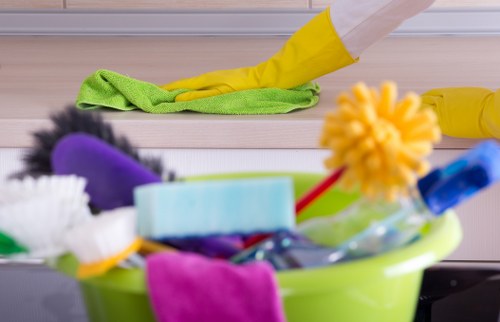 This health and safety policy sets out the standards expected of carpet cleaners SW14 when carrying out cleaning services in homes, offices, and commercial premises. The aim is to protect workers, clients, visitors, and anyone else who may be affected by cleaning activities. We are committed to maintaining a safe working environment, reducing risks, and applying sensible controls to everyday tasks. All staff are expected to follow this policy, use equipment responsibly, and report concerns promptly.
Our approach is based on practical prevention. Carpet cleaning can involve electrical equipment, cleaning chemicals, wet floors, lifting, and moving furniture, so risks must be assessed before work begins. Every carpet cleaning team should consider the condition of the property, the type of flooring, the presence of children or pets, and any hazards such as damaged sockets, trailing wires, or restricted access. Where needed, work should be delayed until the area is made safe.
Risk assessment is an essential part of safe working. Before starting a job, cleaners should identify hazards, decide who may be harmed, and choose suitable controls. This includes checking for slips, trips, and falls; assessing whether ventilation is adequate; confirming that the correct cleaning products are being used; and ensuring that electrical tools are in good condition. 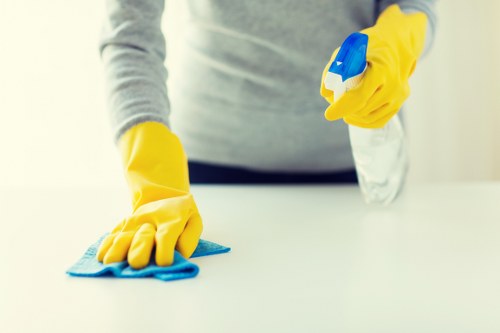 If a task cannot be completed safely, it must not proceed until the issue is addressed.
Safe Working Practices
All carpet cleaning operatives must receive training in safe use of machinery, chemical handling, manual handling, and emergency procedures. Training should be refreshed regularly so that good habits remain consistent. Staff must only use equipment they have been trained to operate, and they should inspect it before use. Damaged hoses, worn plugs, leaking containers, or malfunctioning machines must be taken out of service immediately.
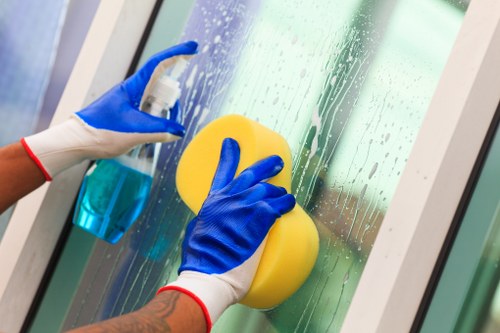
Personal protective equipment should be selected according to the task. This may include gloves, non-slip footwear, eye protection, or face coverings where splashing or fumes are possible. PPE is not a substitute for safe practice, but it adds an important level of protection. Cleaners should also wear suitable clothing that allows movement while reducing the risk of contact with wet surfaces or cleaning agents.
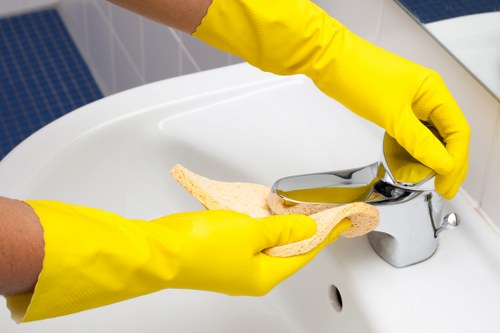 The handling of chemicals must be controlled carefully. Only approved products should be used, and product instructions must be followed at all times. Cleaning agents should never be mixed unless the manufacturer states that this is safe. Containers must be labelled clearly and stored securely when not in use. Where possible, lower-risk products should be chosen to reduce exposure to strong fumes or skin irritation. Staff should wash hands after use and avoid eating or drinking while handling chemicals.
Equipment, Manual Handling, and Housekeeping
Electrical safety is critical for professional carpet cleaners. Equipment should be PAT-tested or otherwise maintained in line with company procedures. Cables must be kept tidy and positioned to avoid trip hazards. Sockets should not be overloaded, and equipment should never be used with wet hands unless it is designed for that purpose. If any electrical fault is suspected, the machine must be switched off and isolated immediately.
Manual handling is another key concern. Carpet cleaners often need to move vacuum units, extractors, and lightweight furniture. Staff should assess loads before lifting, use correct posture, and ask for assistance with heavy or awkward items. Whenever possible, mechanical aids should be used. Repetitive movements and prolonged bending should be minimised through sensible task planning and short breaks where needed.
Housekeeping must remain a constant priority. Work areas should be kept as clear and dry as possible, with hoses, tools, and accessories stored safely when not in use. Spills should be cleaned quickly, and warning signs should be used where floors are wet or slippery. 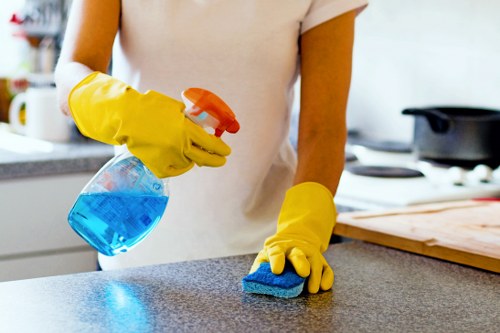 At the end of each job, the area should be checked to ensure that no equipment, residue, or hazards remain. A tidy workspace helps prevent accidents and supports a professional standard of service.
Health Monitoring, Incident Reporting, and Review
We recognise that repeated exposure to dust, cleaning products, and physical strain may affect health over time. Staff should be alert to symptoms such as skin irritation, breathing difficulty, dizziness, or muscle pain, and they should report concerns early. Where a worker has a medical condition that may be affected by cleaning duties, suitable adjustments should be considered in a confidential and practical way.
All accidents, near misses, and unsafe conditions must be reported as soon as possible. Reports should include what happened, where it happened, and what action was taken. This information helps identify patterns and improve controls. First aid arrangements should be available during operations, and staff should know the procedure for contacting emergency services if a serious injury or incident occurs.
 This policy is reviewed regularly to ensure it remains effective and relevant. Updates may be made following an incident, a change in equipment, a new product, or a change in working methods. By following this policy, carpet cleaners SW14 can work safely, reduce risk, and maintain a high standard of care for everyone involved.